LOADING

FEATURES
Seven stages. You approve every one.
Most tools take a prompt and hand back a finished thing you cannot argue with. This one stops at every stage, shows you what it is about to do and what that will cost, and waits.
THE ACTUAL SCREENS
Have a look inside before you sign up
Four of the screens you will spend your time on, at a size you can actually read. Not a shrunk-down screenshot — the controls are laid out full size, so you can see what each one actually says before you decide. Click through them.
The storyboard is the film, card by card
A scene is not one prompt you fire off and hope. It is a card: what is said, what we see, what we hear, how long it runs, where the camera goes, what it costs. All of it yours to change before anything is filmed.
- A camera move and a shot size for each scene, not one for the whole film
- How things move: freely, with real physics, or barely at all
- Lip sync for whoever is speaking, with its own price
- Tell the Scene Director what to change, in plain words
Scene 03of 4ReadyPLAYS 0:11–0:18THE KEEPER · 0:24
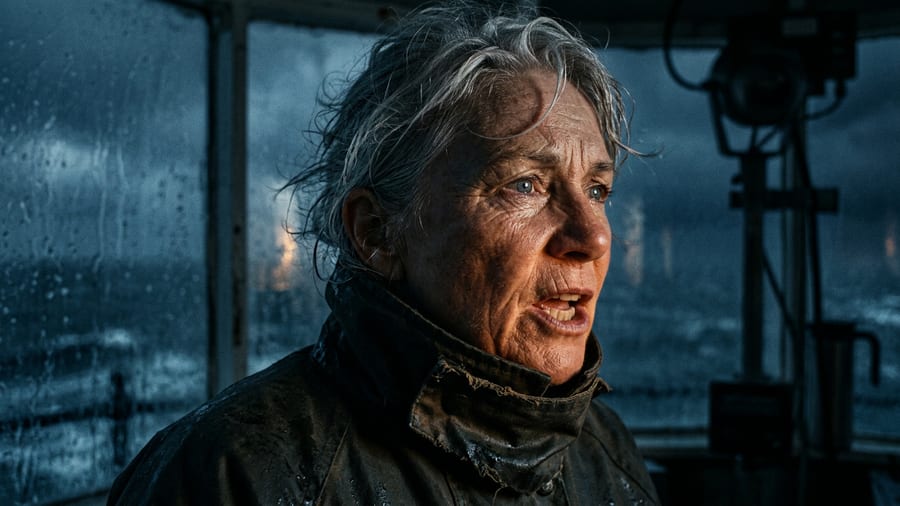 CLOSE · SLOW PUSH IN6s
WHO'S IN ITMarenlip sync on
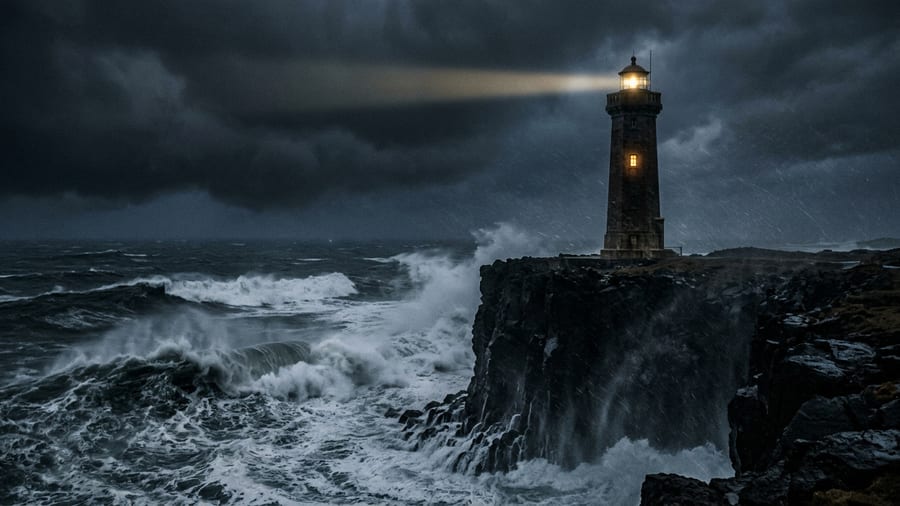
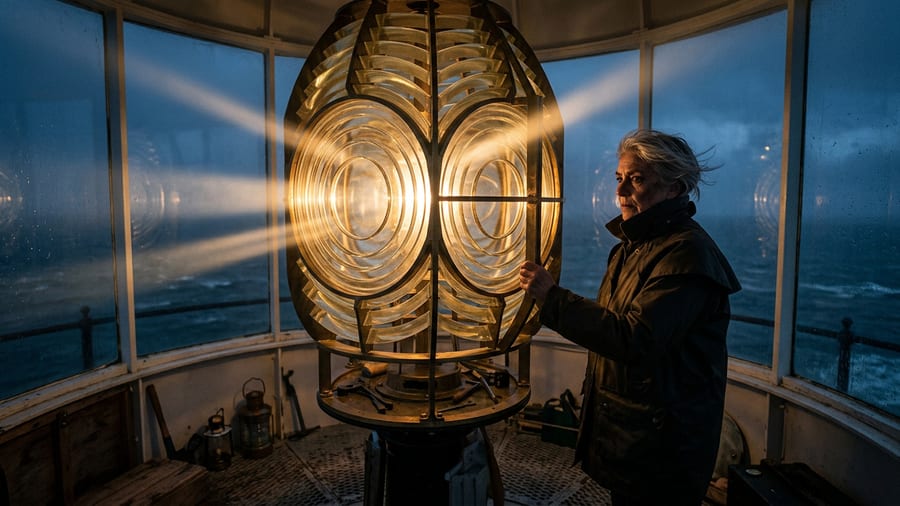
THE SAME MAREN, ELSEWHERE IN THE FILM
What's said
Forty years I've kept this light. It has never once gone out on my watch.
What we see
Close on Maren, lit from below by the turning lamp so the beam sweeps her cheek and leaves the rest in shadow. Rain on the glass behind her; she does not look away from the water.
What we hear
wind through the rail, rain on glass, the lamp's low hum
LENGTH2s3s4s5s6s7s8s10sre-film ≈ $0.94clips bill in 5s steps
CAMERA MOVEstaticslow push inpan leftpan rightorbittilt up
FRAMINGwidemediumcloseextreme close
MOTIONNatural (AI motion)Simulated physicsMinimal motionthe model animates freely — best for character performance
LIP SYNCMoves the speaker's mouth to their own lineSync the mouth · ~$0.38
SCENE DIRECTOR“take the lantern out of her hand”plain words in, one scene changed
Save changesRe-film this scene · $0.94only this scene — the other three are not touchedHISTORY · 3 VERSIONS





01
The storyline
One sentence, or a script you paste verbatim. Bring a document, a link or product photos and they are treated as ground truth rather than inspiration.
WHAT THIS STAGE ACTUALLY DOES
- A template to start from or describe something none of them covers.
- Five shapes 16:9, 9:16, 1:1, 4:3 and 3:4, chosen before anything is written.
- Twelve languages written and spoken, not subtitled afterward.
- Your own material a PDF, .md or .txt up to 25MB, your site's address, or up to six product photos.
- A script, word for word paste one and it is used as written rather than rewritten.
Nothing has been spent at this point, and no card has been asked for.
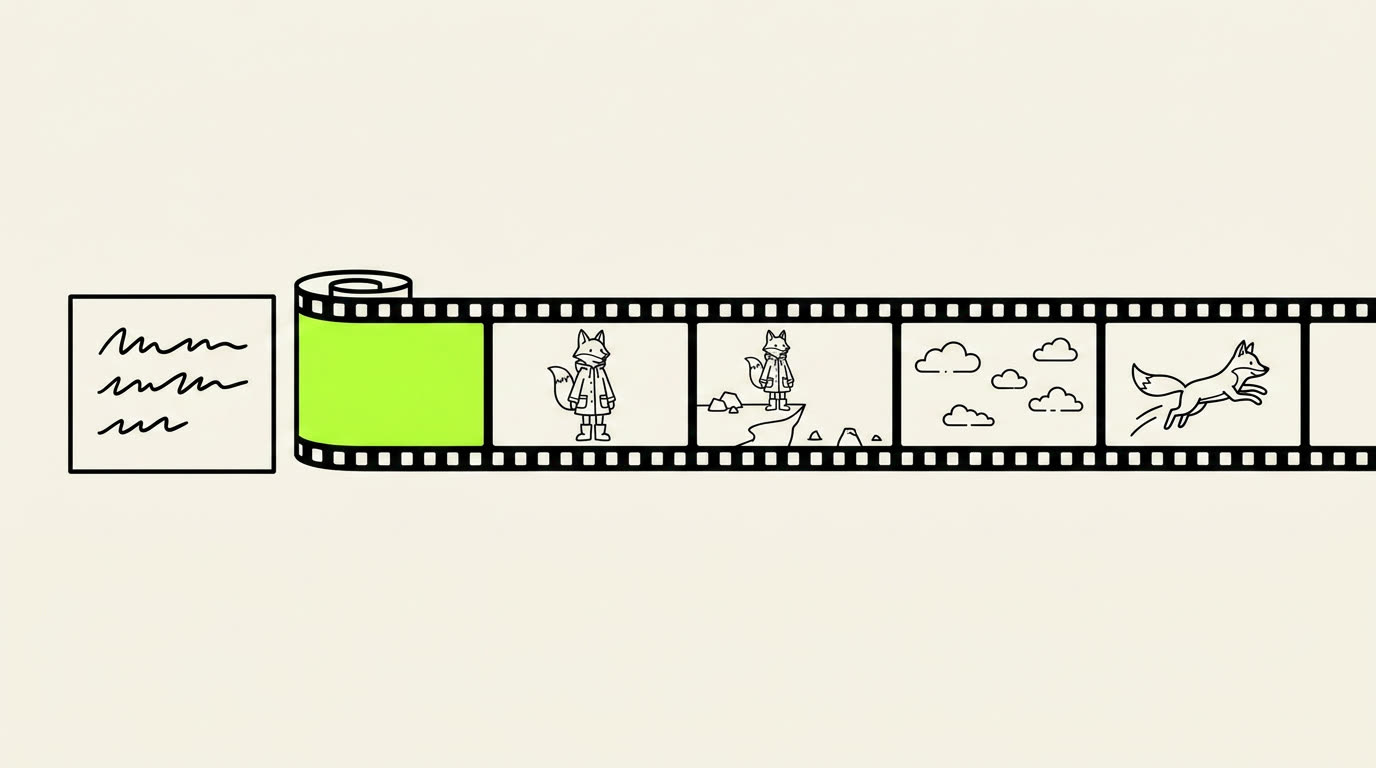
02
The treatment
Prose, beat by beat, before a frame exists. Read it, rewrite it, or tell it what to change in a sentence — it is the cheapest place to disagree.
WHAT THIS STAGE ACTUALLY DOES
- The whole film in prose every beat, before a single picture is made.
- Edit it yourself it is text, and you can type over it.
- Or ask in a sentence “make the ending quieter” is a valid instruction.
- Your material is read what you uploaded is quoted here rather than paraphrased away.
Rebuilding the whole story costs $0.09 — the cheapest button on the page.
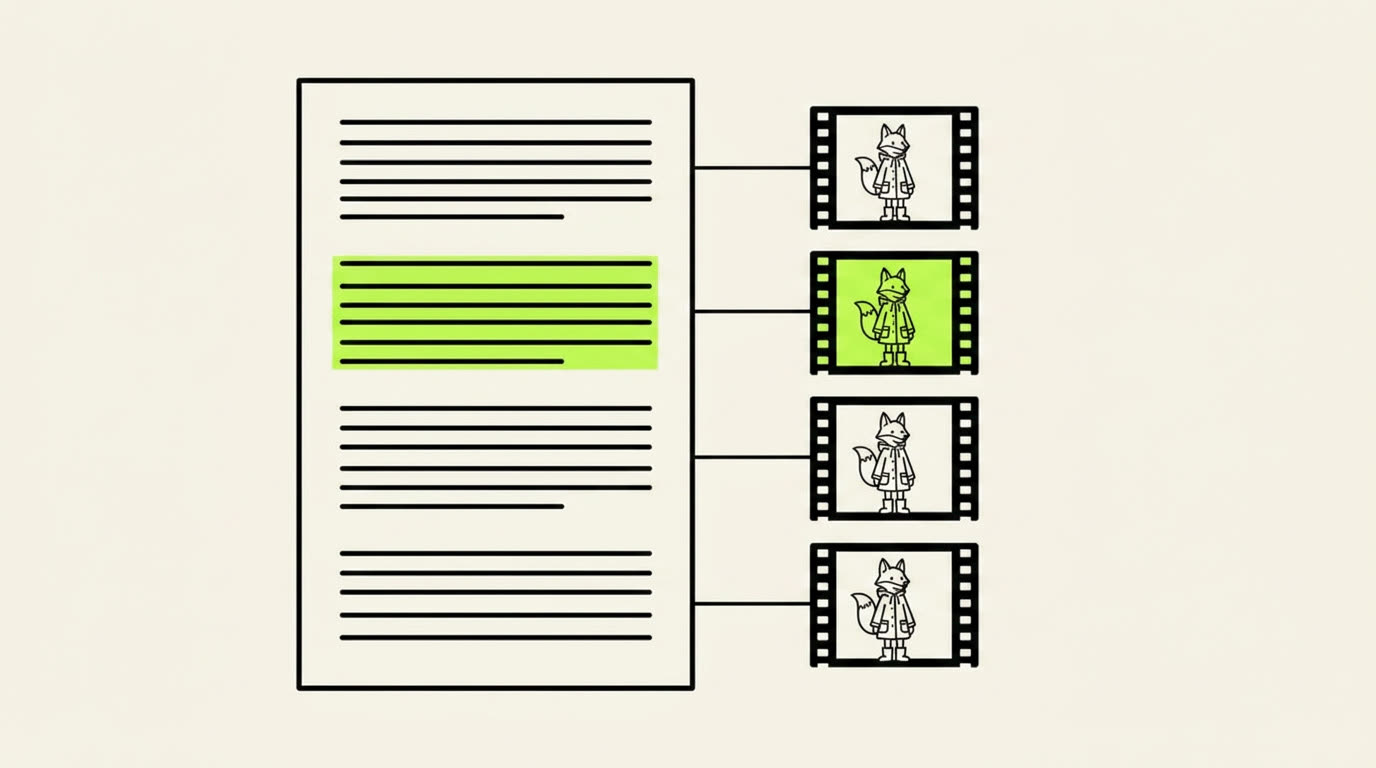
03
The cast
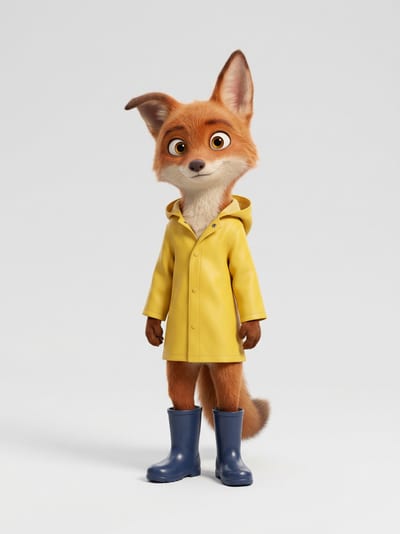
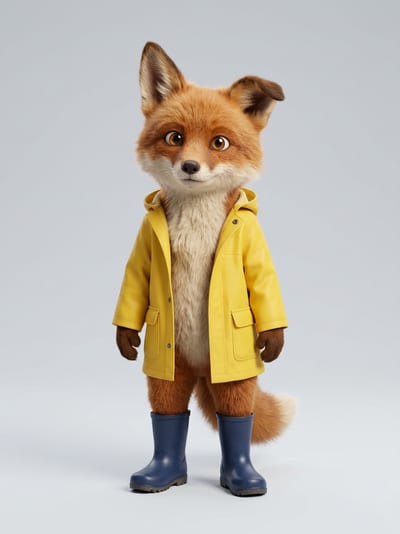
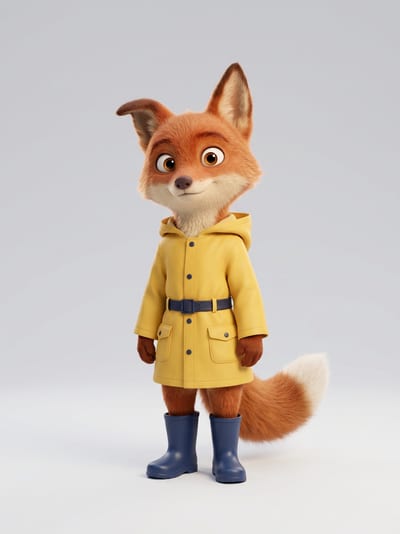
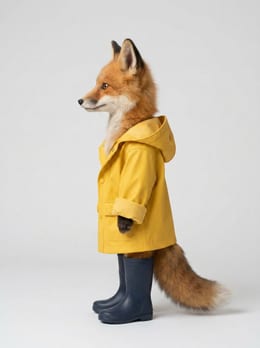
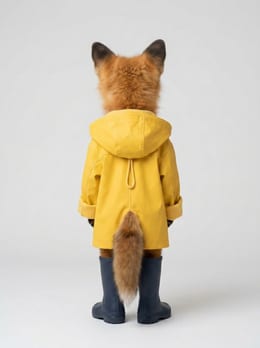
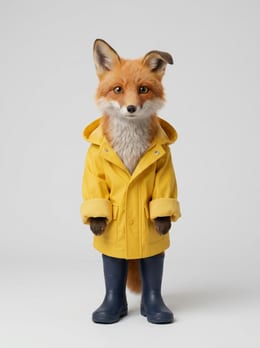
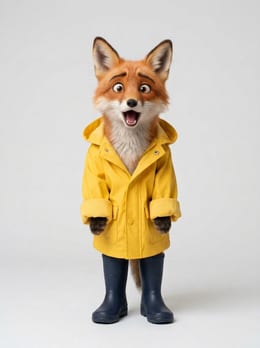
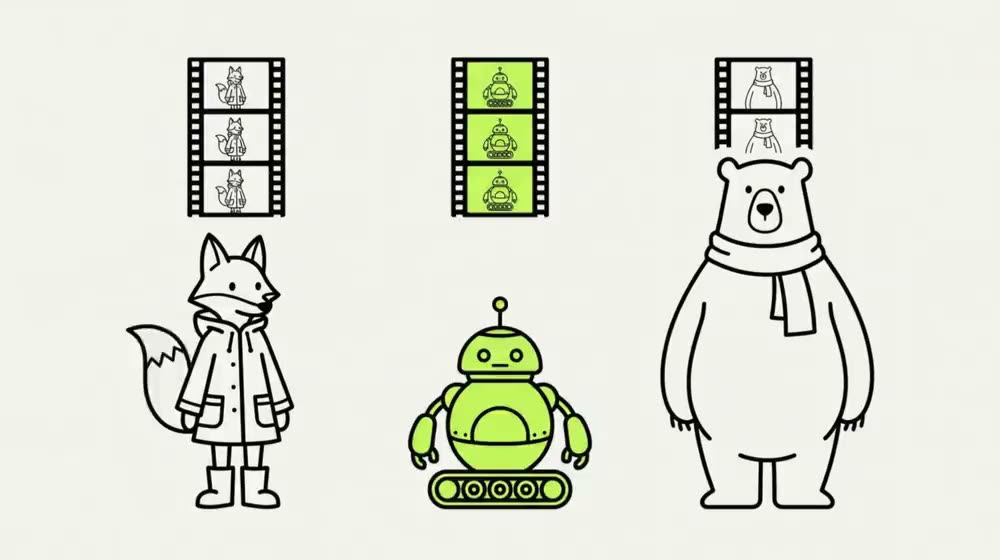
Characters are pulled out of the story and given a locked look, so a face in scene one is the same face in scene fourteen. Or your own, from a photo.
WHAT THIS STAGE ACTUALLY DOES
- A written look you can edit the description is a field, and it can be locked so nothing rewrites it.
- You pick the canonical render out of candidates, before anything is filmed.
- An eight-pose identity sheet front, three-quarter, profile, back, and the expressions.
- Filmed from the picture, not the words every later shot uses the approved still as its reference.
- Your own face upload a photo and it is cast the same way.
- Kept for next time a cast you approved is still there in your next film.
The look is versioned, so a descriptor that changed says which version it is on.
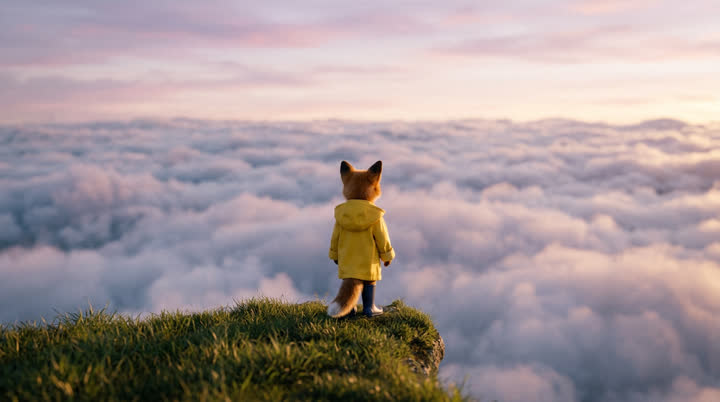
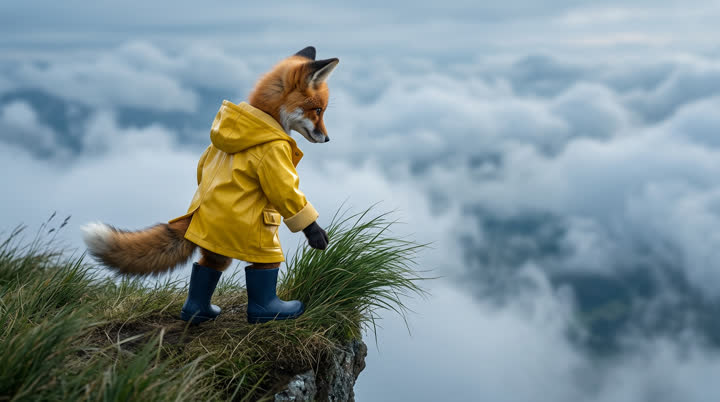
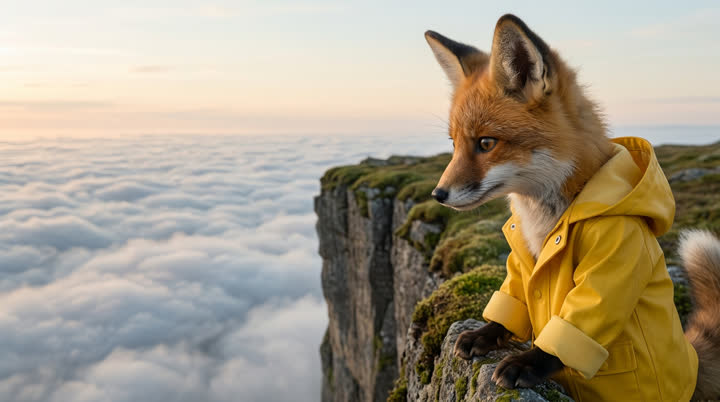
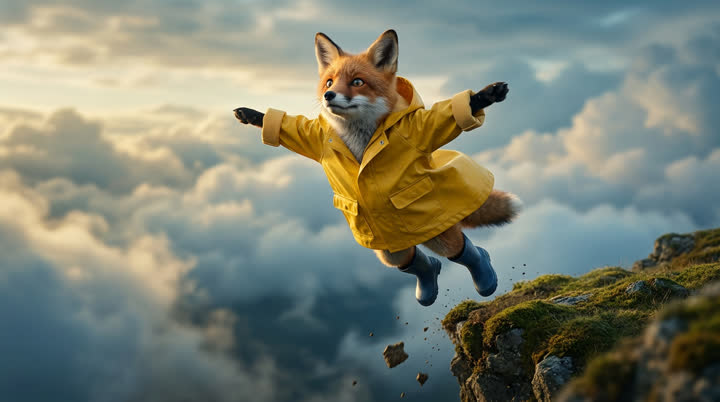
FOUR SHOTS, ALL FILMED FROM THE SAME APPROVED PICTURE
This is the sentence from the first stage — “A fox who is afraid of heights learns to fly.” — four stages later.
04
The storyboard
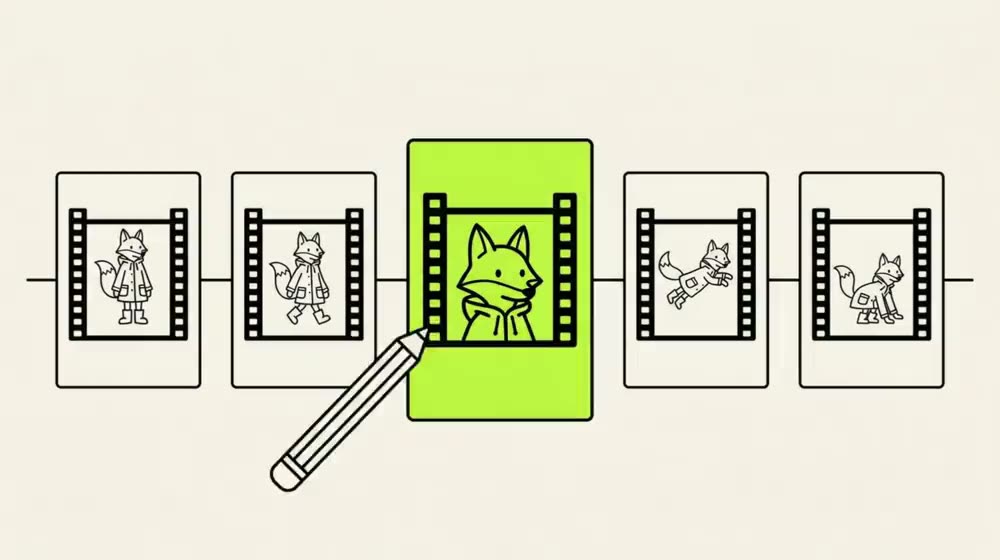
Every shot with its narration, its dialogue, what we see, what we hear, its camera and its length. Change one card and only that card goes stale.
WHAT THIS STAGE ACTUALLY DOES
- Six camera moves static, slow push in, pan left, pan right, orbit, tilt up.
- Four framings wide, medium, close and extreme close.
- Length per scene set it shot by shot, not once for the whole film.
- Removals that actually work “take the axe off his back” goes in its own channel, because video models cannot read a negated sentence.
- Titles are never in the prompt on-screen words are composited afterward, so they cannot come out as gibberish.
- Physics, or none generative motion, a real simulation, or hold still.
Re-filming one scene is priced at $0.94 on the button — the others keep their takes.
05
The sound
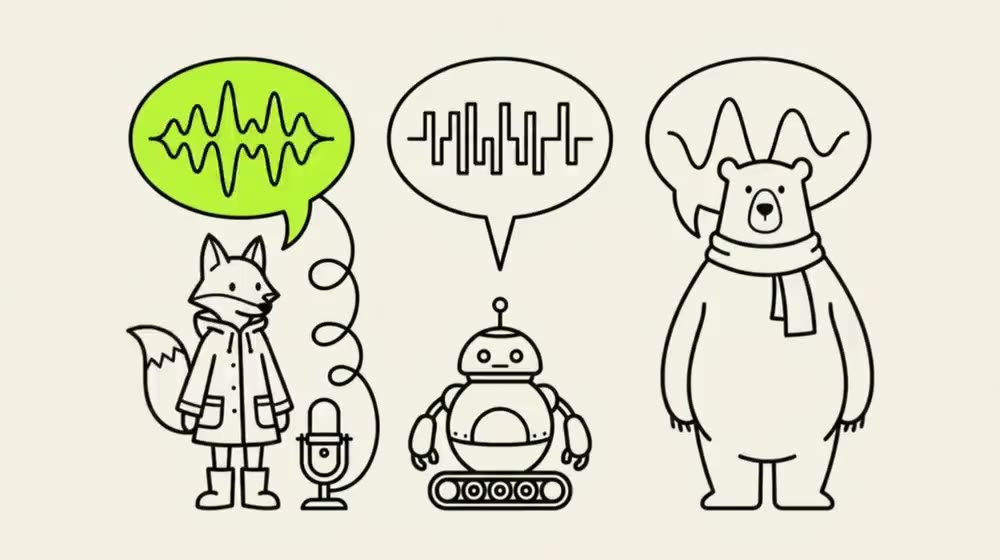
A narrator, characters with voices of their own, twelve languages — or your own voice, cloned from thirty seconds of you. And if the film is a song, it is written and sung.
WHAT THIS STAGE ACTUALLY DOES
- A voice per character not one narrator reading everybody's lines.
- Twelve languages the same film, spoken properly in each.
- Your own voice cloned from a recording, then used for every line that character speaks.
- Lip sync where it matters turned on per scene, and priced per scene.
- Or make it a song the lyrics are written for you and sung, in any of fourteen genres.
- Direct the score five moods, eight instruments, three tempos — or describe it yourself.
- Sound effects per scene what we hear is written down like what we see, then found and placed.
- Music that gets out of the way the score ducks under anyone speaking.
Re-recording the narration is $0.04. Voice cloning and lip sync are Studio features.
06
The filming
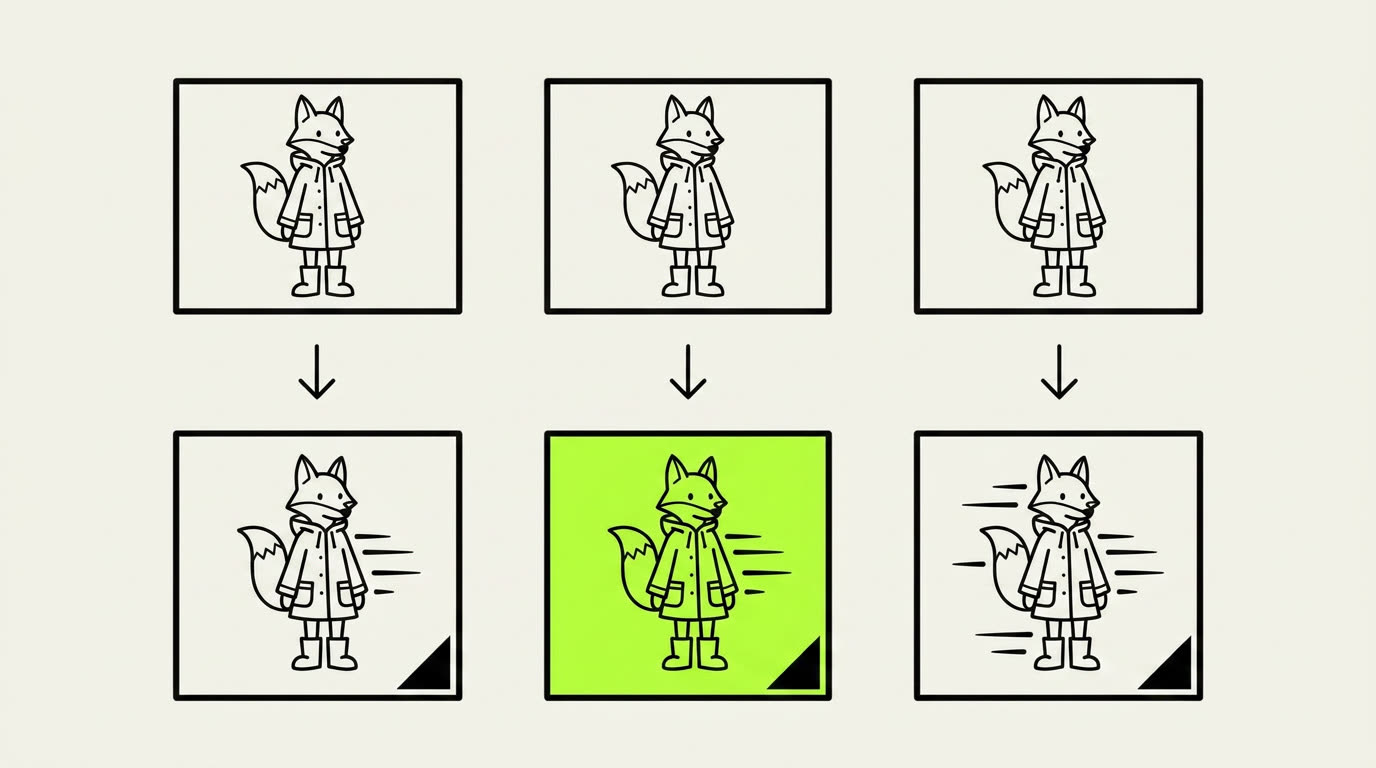
Each shot is filmed from a still you approved. They run at once, and one failure retries alone rather than taking the others with it.
WHAT THIS STAGE ACTUALLY DOES
- Frames first, film second you approve the still; filming animates that exact image.
- Six looks auto, clean and light, dark glass, bold color, editorial, isometric 3D.
- Six engines, each with its price the frame is not locked to one model.
- Continuity between shots the last frame of one shot seeds the next.
- Stale is flagged, not hidden change a frame and the clip filmed from the old one says so.
- A crash does not re-invoice you the job handle is kept, so a restart resumes polling instead of paying twice.
Each frame carries its own price; redoing all seven is $0.49.
07
The cut
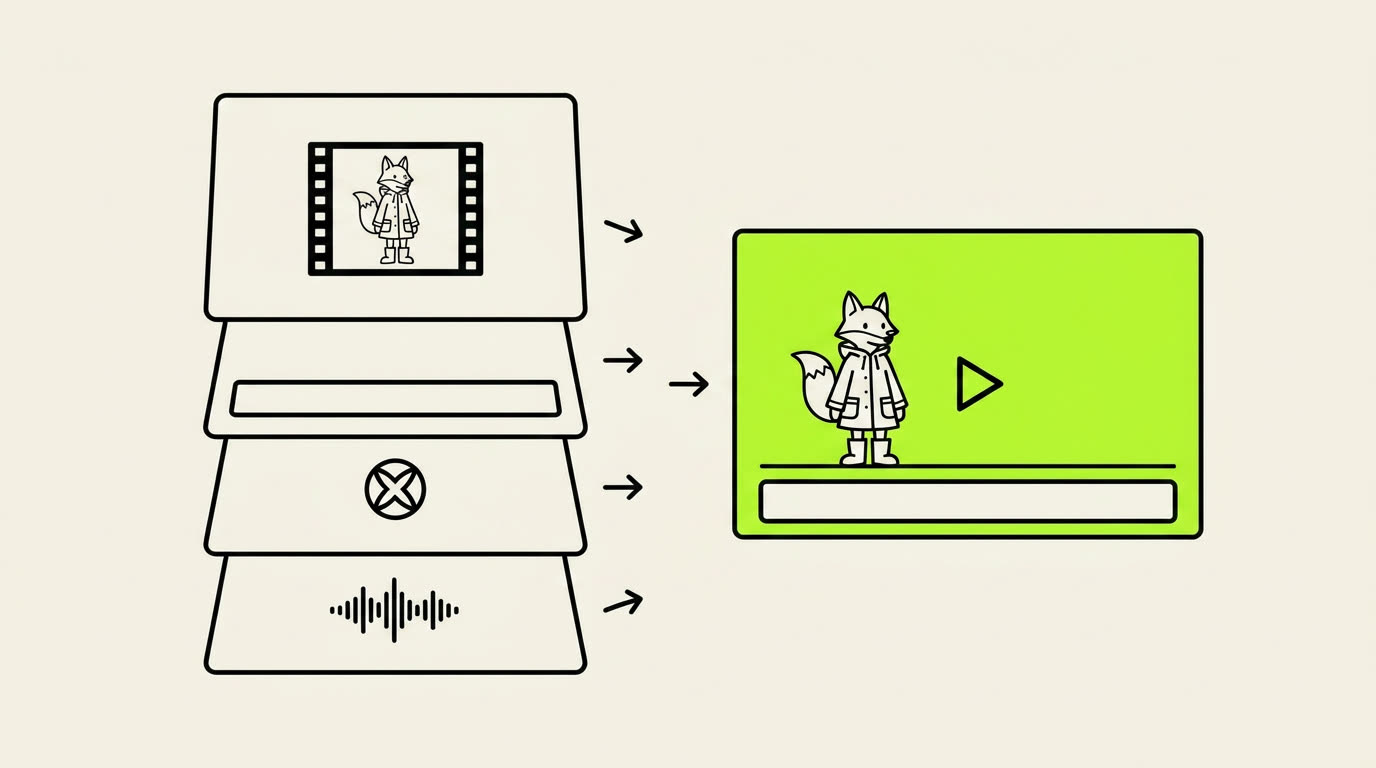
Assembled with captions from the real word timings, your logo, titles that read as typed, and music that ducks under anyone speaking.
WHAT THIS STAGE ACTUALLY DOES
- Captions on the actual words taken from when each word was spoken, not guessed from the script.
- A caption style you pick drawn from your film's own palette rather than a stock white box.
- Titles and logo composited added over the film the way an editor adds them, never drawn by a model.
- A poster, painted with your cast used for publishing — and it seeds the intro and outro.
- Intro and outro bumpers animated from that poster, with your greeting and your lengths.
- 4K MP4, yours to keep never watermarked, on every plan including the $0 one.
- Vertical and square re-crops made from the same cut, free to download.
- Every edit is a version the storyboard, the lyrics and the film all keep their history.
The whole thirty-second, seven-shot film came to $8.57. Re-assembly and downloads are free.
HELP, INSIDE THE STAGE
Something to ask, wherever you are stuck
Not one chatbot bolted to the corner of the app. Each stage has its own, it can only do the things that stage does, and the ones that spend money say so before they spend it.
ON THE STORYBOARD
The Scene Director
Tell it what to change in plain words, about one scene or the whole film — “in scene five make the rocket red; in four and nine add Saturn” — and it makes the change. Every scene it touches is snapshotted first, so any of them can be put back.
One instruction is about $0.05, billed to the film like everything else.
ON THE INTRO & OUTRO
The Bumper Assistant
Chat-edit the opening and closing: the direction, the greeting and the lengths change instantly and cost nothing. Re-filming a bumper does cost, so it is only fired after you say yes to it in the conversation.
Edits are free. Anything that spends asks first, in the chat.
ON THE FINAL CUT
The Final Cut Assistant
A deliberately narrow one: it explains what state the assembly is in and can put the film back together, and nothing else. Edits belong to the step that owns them, so this one cannot quietly reach into your storyboard.
Re-assembly is free. It has no other powers.
The four things people ask before they trust it
IDENTITY IS CAST, NOT RE-ROLLED
Will the faces hold?
A character is cast once, with a written description and an identity sheet, and every shot is filmed from an approved still of that character rather than from the prompt alone. The look survives the whole film.
PER-SHOT RETRY
What happens when a shot comes out wrong?
You re-film that shot. The other thirteen keep their takes and cost nothing again. Change the story later and the console tells you exactly which shots went stale and what re-filming them costs before you agree to it.
BURNED IN, NOT GENERATED
Does the text come out garbled?
Titles, captions and your logo are composited at assembly, never drawn by a model. They read as typed because they were typed.
RESTORE ANY VERSION
Can I undo something?
Every change is a version. The storyboard, the lyrics and the film all keep their history, and any earlier cut can be brought back.
You are never surprised by the invoice
Every button that spends says what it will cost before you press it, and asks. A minute of film runs from about $5.70 in six long takes to $22.98 in twenty-four quick cuts — the difference is how you cut it, not luck. The statement behind it lists every movement, and it is sealed: each entry carries a hash of the entry before it, so an invoice that has been altered says so.
WHAT THIS FILM COST
- Filmed clips ×7
- $6.83
- Scene keyframes ×7
- $0.60
- Music & song ×1
- $0.47
- Sound effects ×7
- $0.46
- Writing & direction ×3
- $0.17
- Voice recordings ×7
- $0.04
- Total
- $8.57
Re-assembly and downloads are free · a remake bills on its own project.
Approved per stage
Nothing runs because something else finished.
Priced before the click
The estimate is on the button, not in a footnote.
Credit never expires
What you buy stays yours, whatever happens to the month.