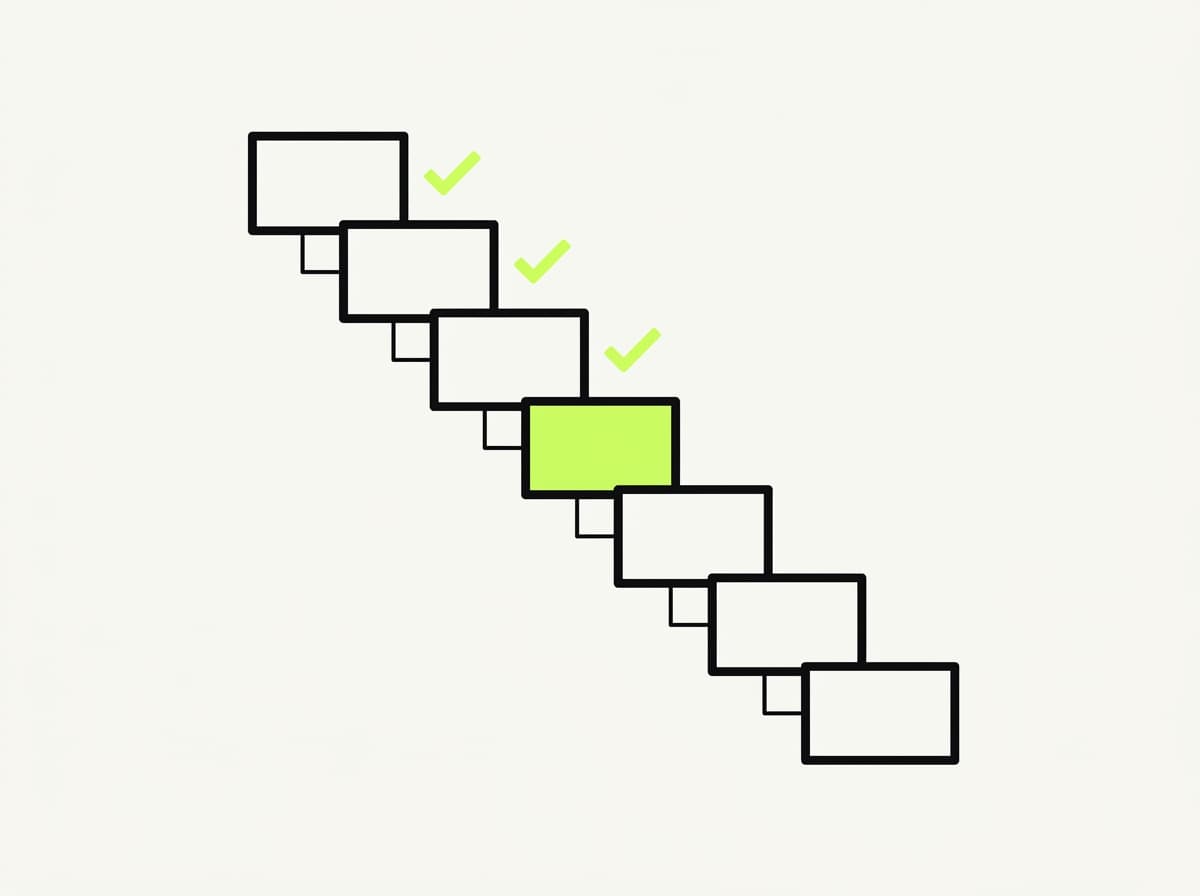

The easiest place to disagree is the treatment
/ The short version:
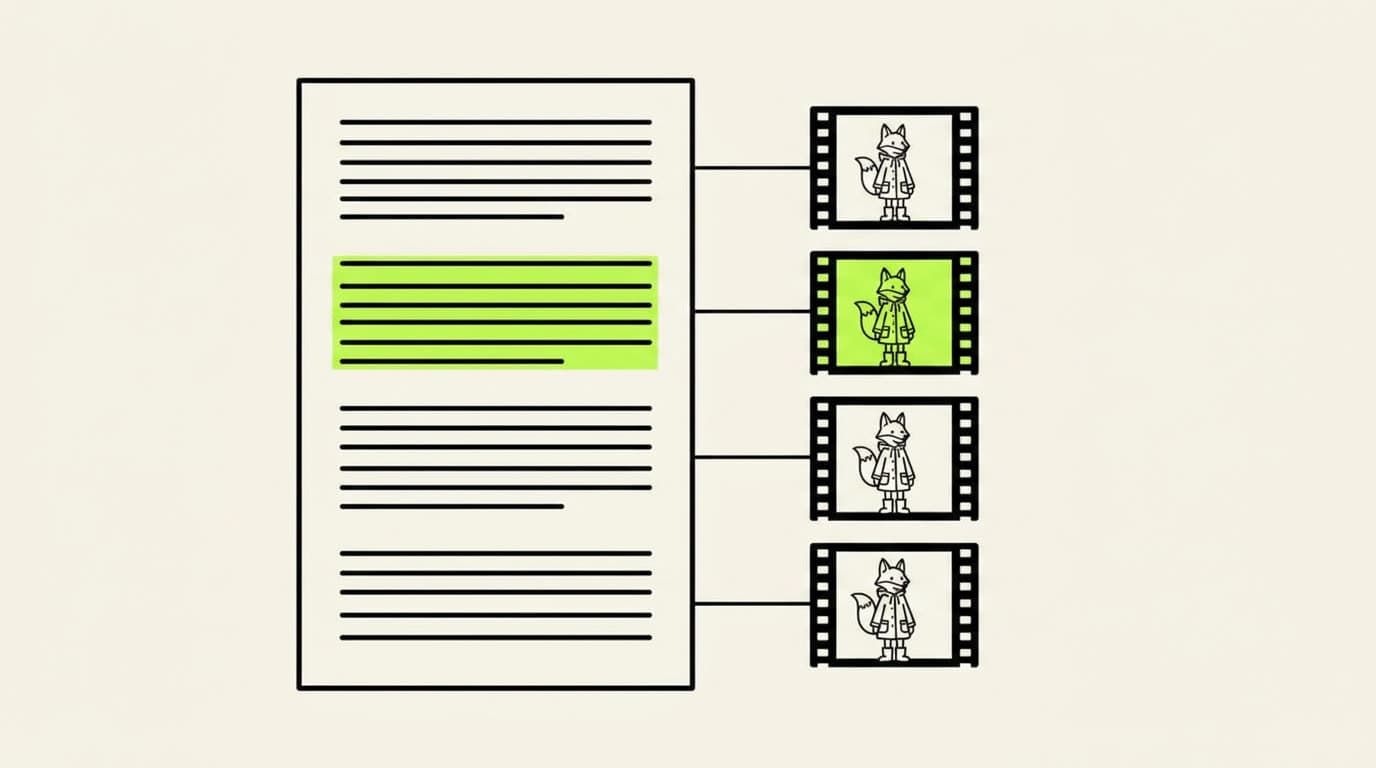
- A treatment is the film in sentences — every beat, in order, before anything is drawn.
- It is the only artifact in the pipeline you can argue with by typing, and the only one where the argument is legible.
- Material you uploaded is quoted here rather than paraphrased, which is where you find out whether it was actually read.
A treatment is the film described in sentences: every beat, in order, before anything has been drawn. It is the least impressive artifact in the whole process and, by a distance, the most useful one.
It is also the stage people are most tempted to skip, because it does not look like progress. You asked for a film and you have been handed six paragraphs. The paragraphs are the point.
/ In this post:
Why disagreeing here works and disagreeing later does not
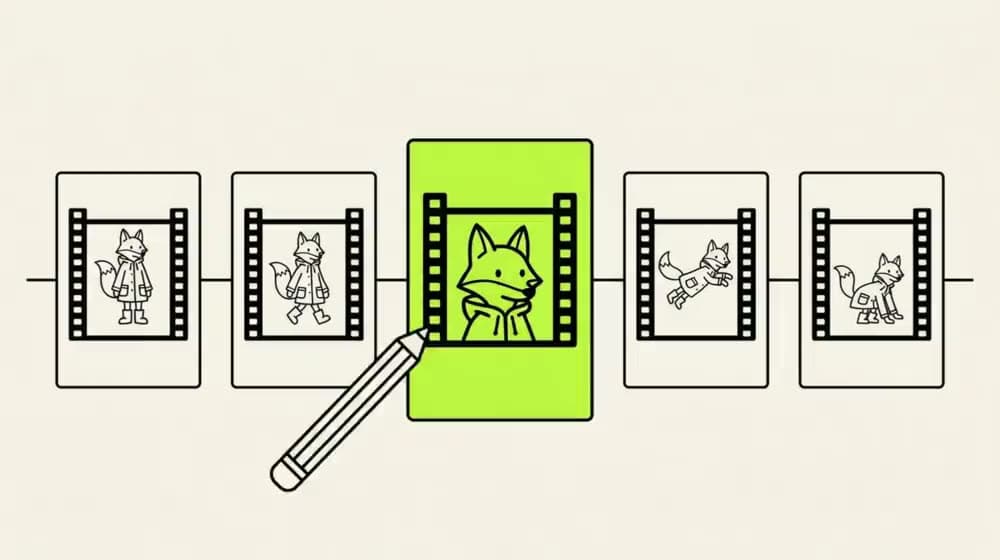
Reading a paragraph and deciding the ending is wrong takes a minute. Discovering the same thing after fourteen shots have been filmed means re-filming fourteen shots, and footage is the one material in this process that cannot be edited — only made again.
There is a second and less obvious reason, and it is the better one. Disagreeing with a paragraph is easy because a paragraph is legible: you can point at the sentence that is wrong. Disagreeing with a finished film is hard. You can tell it is not working and frequently cannot tell which decision made it not work, because six decisions are layered on top of each other in every frame. The treatment stage does not only make the fix quick, it makes the diagnosis possible at all.
Three ways to change it
- Type over it — it is text in a field, not a rendered artifact. If you know the sentence you want, write the sentence you want.
- Ask in a sentence — “make the ending quieter”, “the middle drags” and “cut the third beat entirely” are all valid instructions.
- Rebuild it — throw the whole treatment away and generate another from the same storyline. Nothing downstream has been built on it yet, so nothing breaks.
Where you find out whether your material was read
If you uploaded something at the storyline stage — a PDF, a Markdown or text file up to 25MB, your site's address, or up to six product photos — the treatment is where you find out what happened to it.
The distinction worth watching for is between material being used and material being taken as a mood. A tool that has absorbed your document into a general impression of your brand will produce a treatment that sounds vaguely like you and contains none of your facts. Your material is quoted here rather than paraphrased away, which means the failure mode is visible: if a specific thing you uploaded is not in the treatment, it is not going to be in the film either, and you have found that out while it is still a paragraph.
You can point at the sentence that is wrong. You cannot point at the frame that is wrong.
What a treatment is made of
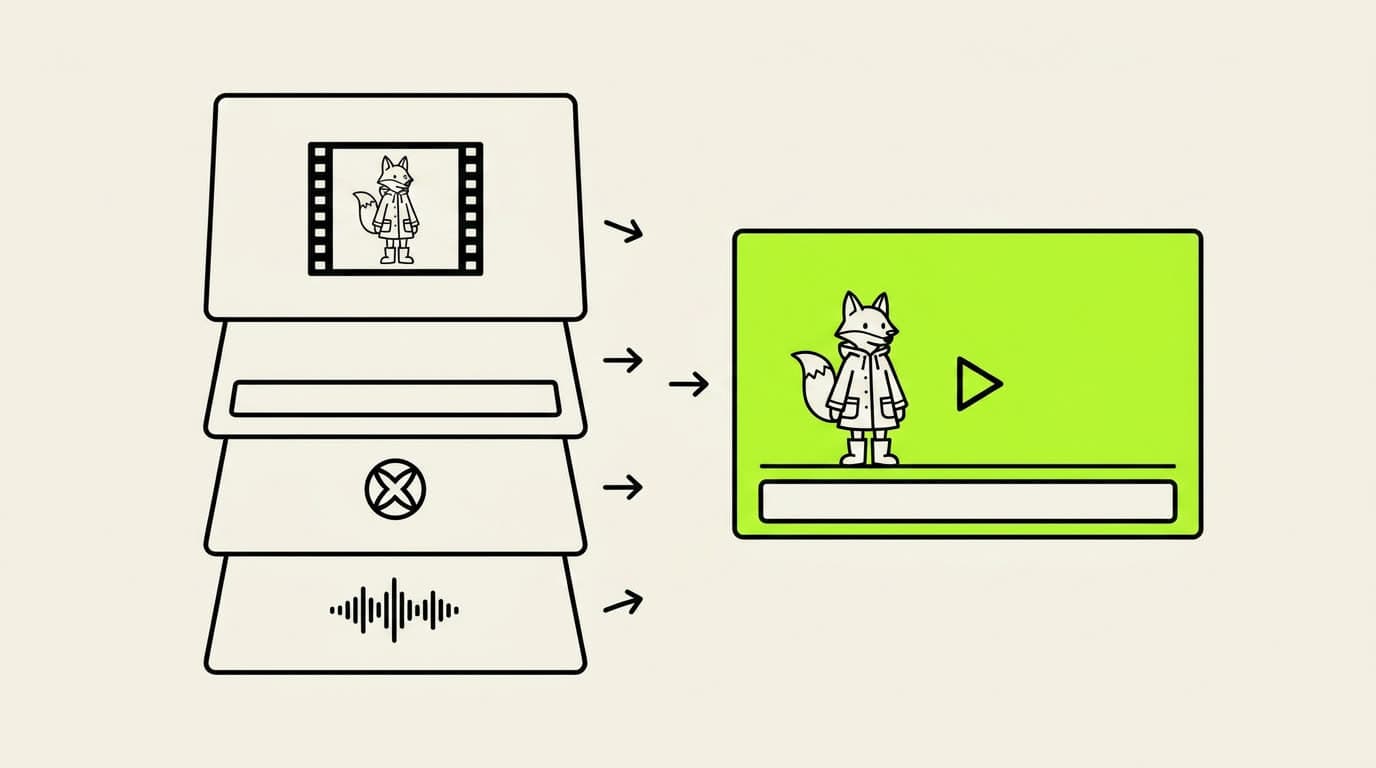
Beats, in order, with enough in each to know what the shot will be about. Not shot descriptions — those come next, on the storyboard, where each beat is expanded into cards with cameras and framings and lengths. The treatment is deliberately one level above that, because arguing about structure and arguing about camera angles are different arguments and doing both at once produces neither.
The characters that appear in the treatment are what the cast stage picks up. A character who shows up in two beats will be cast; a crowd will not. If somebody important to you is a background mention here, that is worth fixing before the cast is built rather than after — see why the faces hold for what casting actually does with them.
Or skip the stage entirely
If you already have a script, paste it at the storyline stage and it is used as written. Not rewritten, not improved, not smoothed out, and not run through a model that decides your third paragraph would be better as two. The treatment stage is then skipped, because the thing it exists to produce already exists.
This is worth stating plainly because the opposite is common enough to be an assumption: a lot of tools will accept your script and then quietly generate their own anyway. No stage in this pipeline is compulsory just because it exists.
The treatment runs on a model chosen for narrative rather than the one that fills in schemas elsewhere in the pipeline. Writing a story and completing a structure are not the same task.
Questions
What is a treatment in AI video generation?
The whole film written out in prose, beat by beat, before any picture is made. It is text you can read, edit directly, or change by asking in a sentence, and rebuilding all of it takes seconds — which is the point, because footage cannot be edited at all once it exists.
Can I edit the treatment by hand?
Yes. It is text in a field, not a rendered artifact. You can type over it, ask for a change in plain words, or discard it and generate a new one from the same storyline.
What happens to a document or product photos I upload?
They are treated as ground truth and quoted in the treatment rather than paraphrased into a general impression. That means you can check, before anything is drawn, whether the specific facts you supplied actually made it in.
Can I skip the treatment and use my own script?
Yes. Paste a script at the storyline stage and it is used word for word; the treatment stage is skipped rather than being run anyway on top of your writing.